

Published October 11, 2018
What to Expect During Home Inspections

1. The inspector will need clear access to the HVAC system, the water heater, the crawlspace/basement, the attic, and the electrical panel.
2. The typical and most beneficial procedure is for the buyer(s) to be there with the inspector and for the seller not to be present during inspections.
3. Inspections can take anywhere between 1-3 hours.
4. All utility valves/connections (water, electric, gas, pilot lights, etc.) should be in the On/operating position to ensure that the Inspector can conduct a complete inspection.
5. Personal belongings of the property owner/occupant (particularly storage items in closets and cabinets) should be positioned to ensure that Inspector access to wall, floor and/or ceiling areas is not impeded.
6. Security systems should be disabled during the inspection(s) and reengaged when the inspection services conclude.
7. Pets should be secured and out of the way during the inspection(s).
8. United States Environmental Protection Agency closed house conditions will need to be observed if radon testing and/or mold screening services are to be conducted. (i.e. all windows, doors closed 24 hours prior to testing).
Please Note: Inspectors do not pass or fail a property, nor can they protect clients against every potential risk associated with the purchase and ownership of real estate. Rather, inspectors educate clients about building systems and components, and they seek to identify and accurately report on material facts or conditions that affect the construction, general maintenance, and overall safety of a building and its surrounding areas. Please understand that the inspection process can be stressful on all parties involved in a real estate transaction. Inspectors will comment on defects and positive attributes of a building, and they will report inspection findings in a straightforward manner.
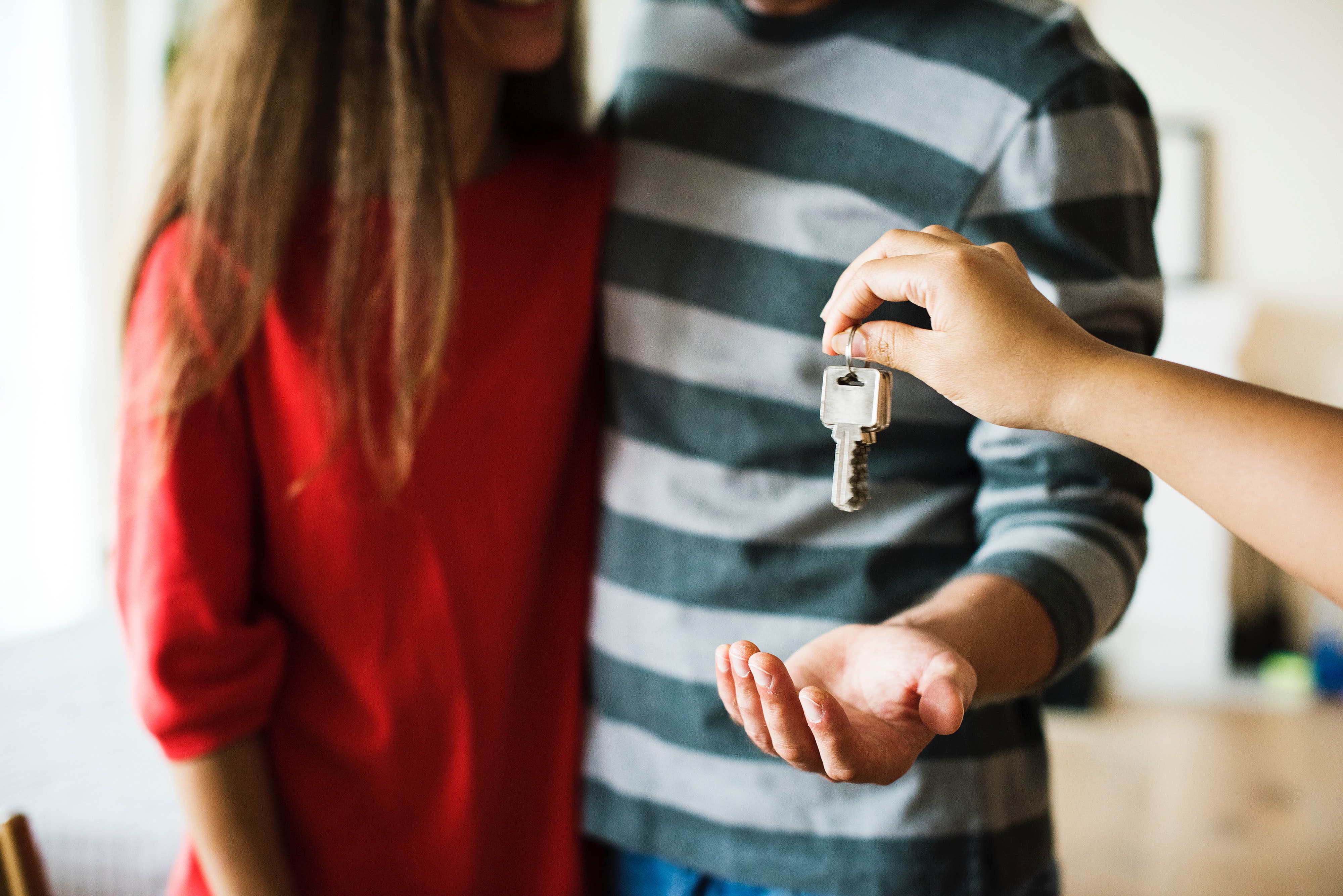
Photo from RawPixel.com via Pexels.com

The Silva Group
| The Silva Group | OCF Realty
or another way