

Published September 1, 2016
How To Prepare Your Home For Severe Storms

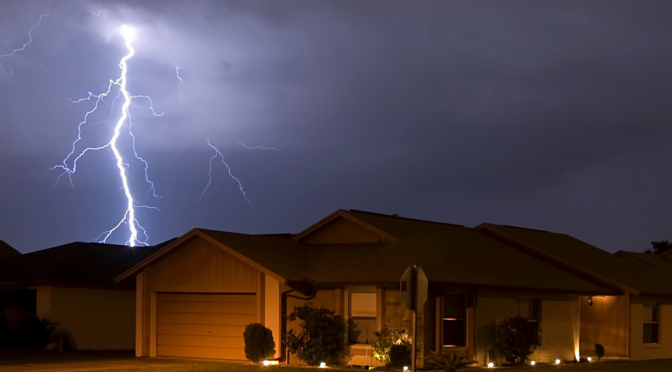
Hurricane season along the Atlantic Ocean peaks from June 1 through November 30. While Pennsylvania may not be directly on the ocean, we do feel the impact of tropical storms and hurricanes. With Tropical Storm Hermine projected to head up the coast the weekend, we should be prepared for its possible impact on our area. At this time, Eastern Pennsylvania counties of Bucks, Chester, Delaware, Montgomery, Philadelphia, Leigh, and Northampton have been issued a hazardous weather outlook. This means it’s time to prepare your home for heavy rain, potential flooding, and strong winds.
Here are a few things you can do now to be prepared.
Clean Up
Strong winds ranging anywhere from 39 to 73mph are possible as part of this storm. Loose lying items around your lawn could cause damage to your home during periods of strong winds. Any items outside that may be broken or blown during strong winds should be brought indoors. Inspect your trees for any loose branches that may break away with heavy winds and potentially cause damage to your home. Remove any damaged and diseased limbs prior to a storm arriving.
Gutters
To make sure your home is ready to withstand heavy rainfall check your gutters and downspouts, clear them of any leaves, twigs or debris. A buildup of debris can cause a stop in water flow resulting in overflow which has the potential to cause leaking inside your home.
Sealant
To prevent leakage of water inside your home during heavy rain and winds, make sure there are no holes or gaps surrounding your windows and doors. Replace weather stripping or caulk so that you have a strong seal.
Septic System
If your home uses a typical septic system, large amounts of heavy rain may cause problems to occur. When large amounts of rain fall quickly it can flood the ground around the soil absorption area known as a drainfield, leaving it oversaturated and water is no longer able to flow out of your septic system. Prior to heavy rainfall make sure your septic system is in good working order. During a storm reduce any unnecessary use of water. If you notice your toilet is flushing slowly or making unfamiliar sounds you can assume that your septic system is experiencing problems. Conserve water during this time.
Sump Pump
With heavy rains expected now is the time to have your home’s sump pump tested. A flooded basement can cause a lot of damage. If your pump is older than 8 years it may be time to be replaced. If your home is without electricity your pump will not be working, and you are at risk of flooding. If you are worried about this happening a back-up sump pump that operates with or without electricity is needed.
Air Vents
One of the most common ways that water ends up inside your home during a storm is through your home’s air vents. Cover them both on the inside and out with thick plastic to prevent water from leaking into your home.
Collect Items
Collect any items you may need in the case of a power outage. Gather batteries, flashlights, a radio that operates on battery power, bottled water, and a first aid kit.
If you, or your friends and family, have a home along the shore be sure to check out our friends at The Ferzoco Group, with their tips on preparing homes along the shore for storms and storm surges.

The Silva Group
| The Silva Group | OCF Realty
or another way